

One of the World’s Most Historic Addresses

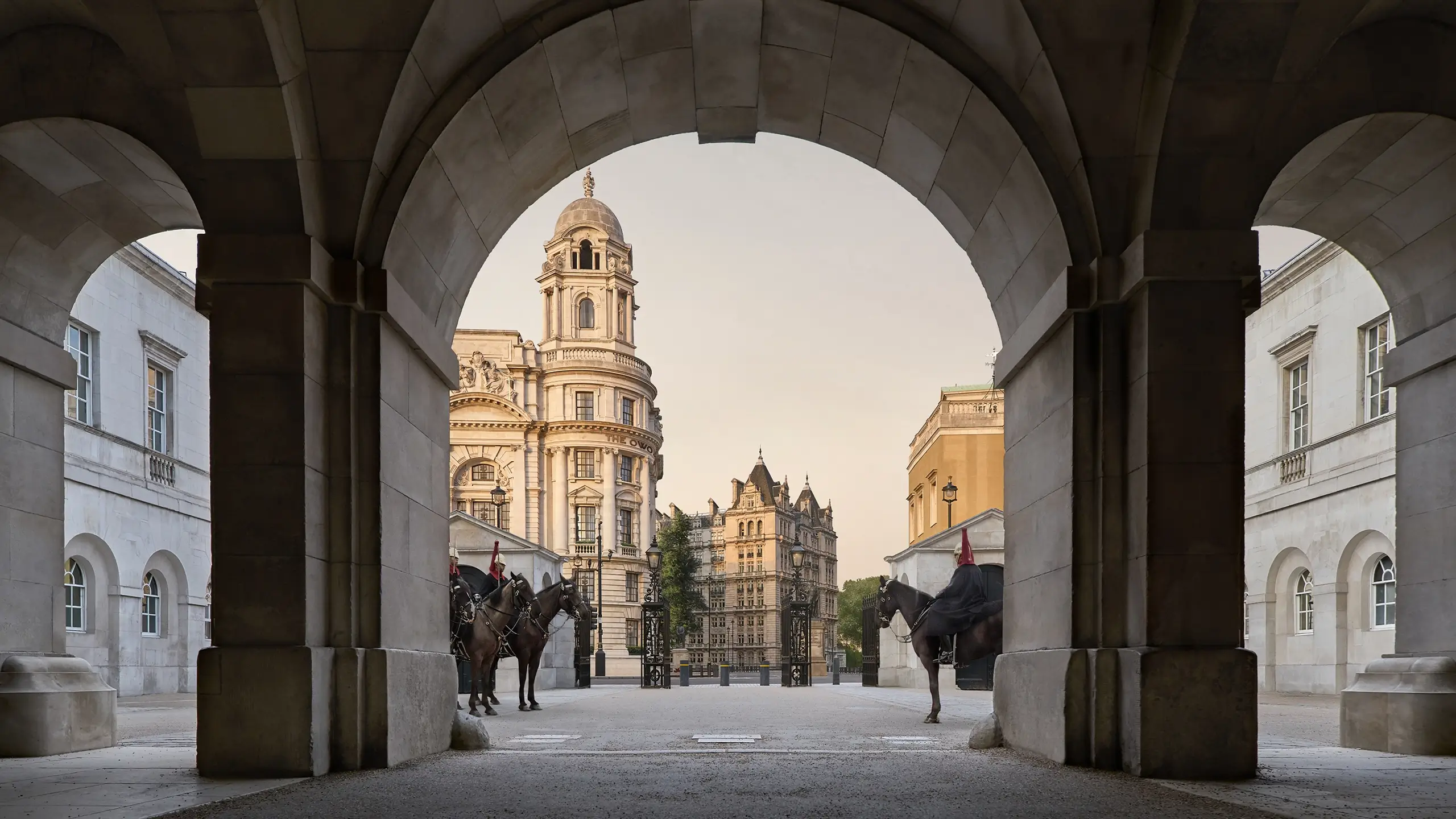
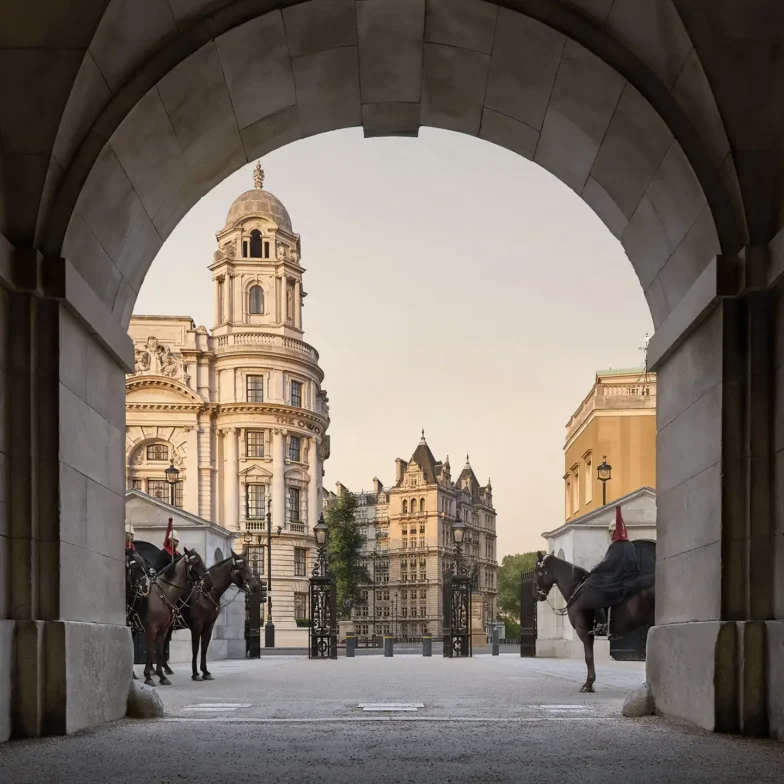
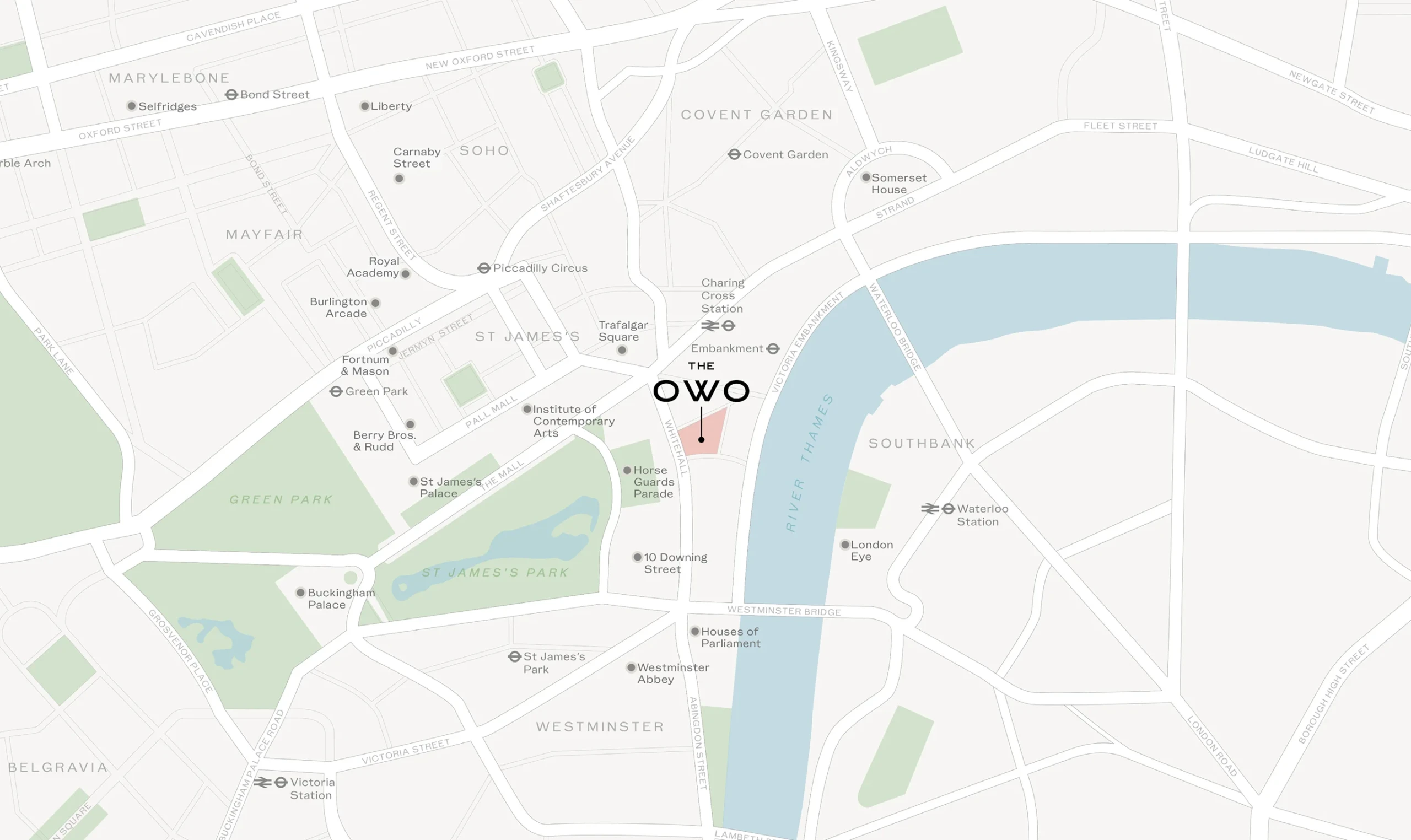
Buckingham Palace at the end of the Mall, the King’s Life Guards opposite, while St James’s Park unfolds beyond the treeline. Few destinations place London’s history, culture and ceremony so intimately at the door – Mayfair, St James’s and the West End within moments. Once a seat of military power, today The OWO invites you in.

London Heliport
0 minutes
London City Airport
0 minutes
Heathrow Airport
0 minutes
Farnborough Airport
0 minutes
Gatwick Airport
0 minutes
Biggin Hill
0 minutes

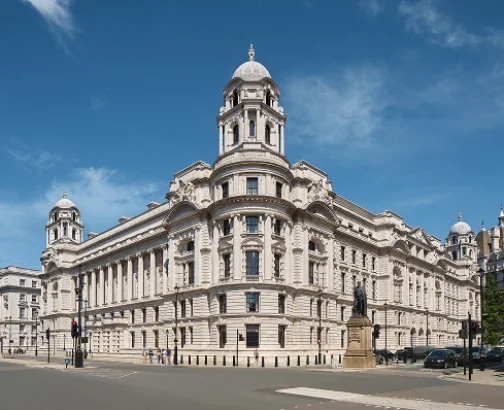
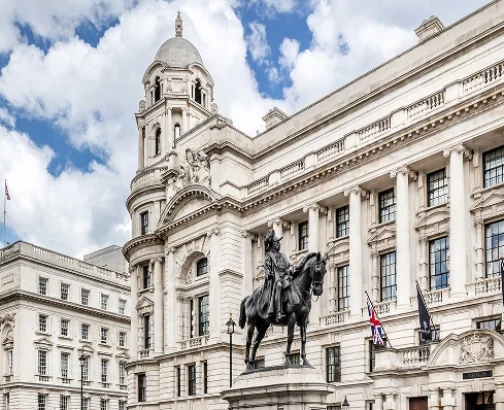
Edwardian Grandeur Faithfully Restored

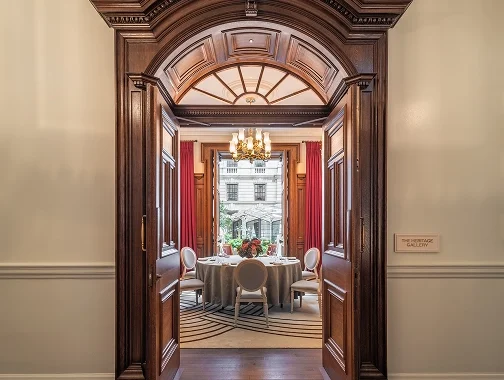
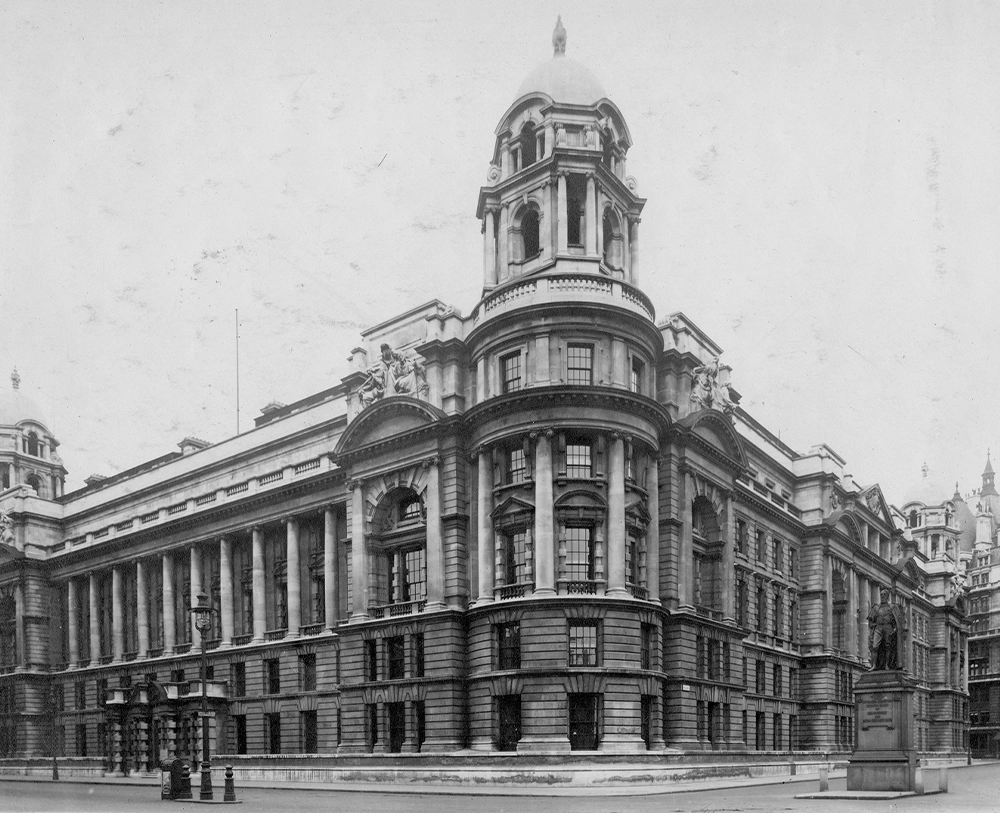
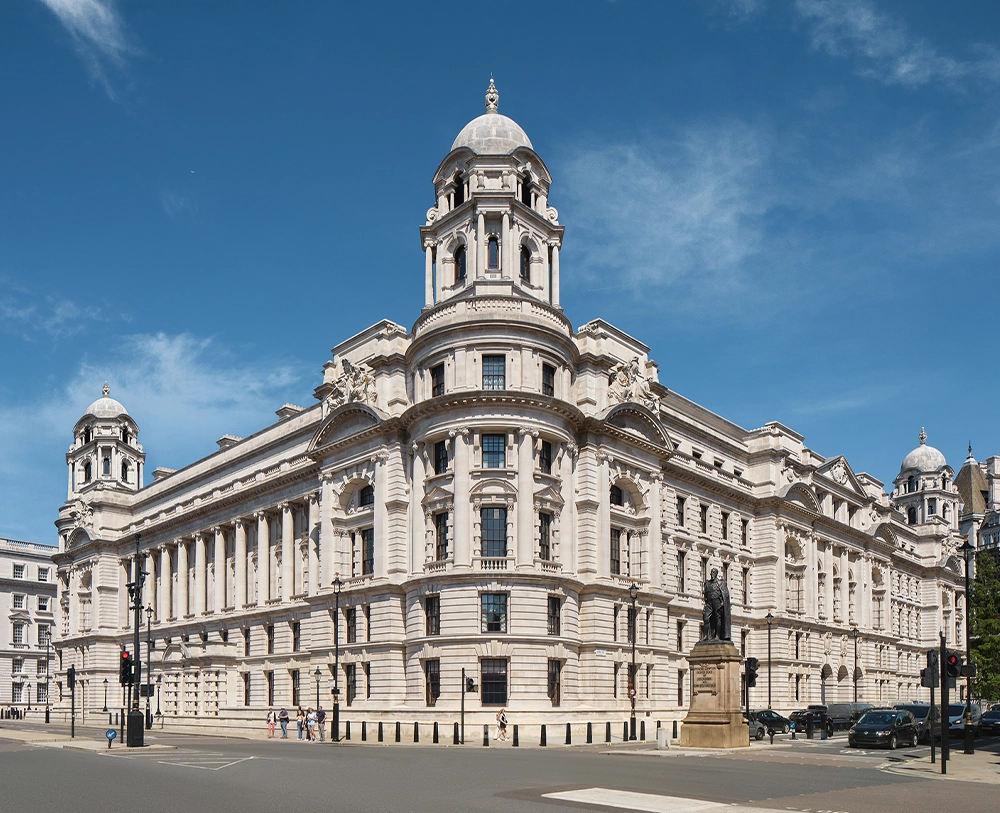
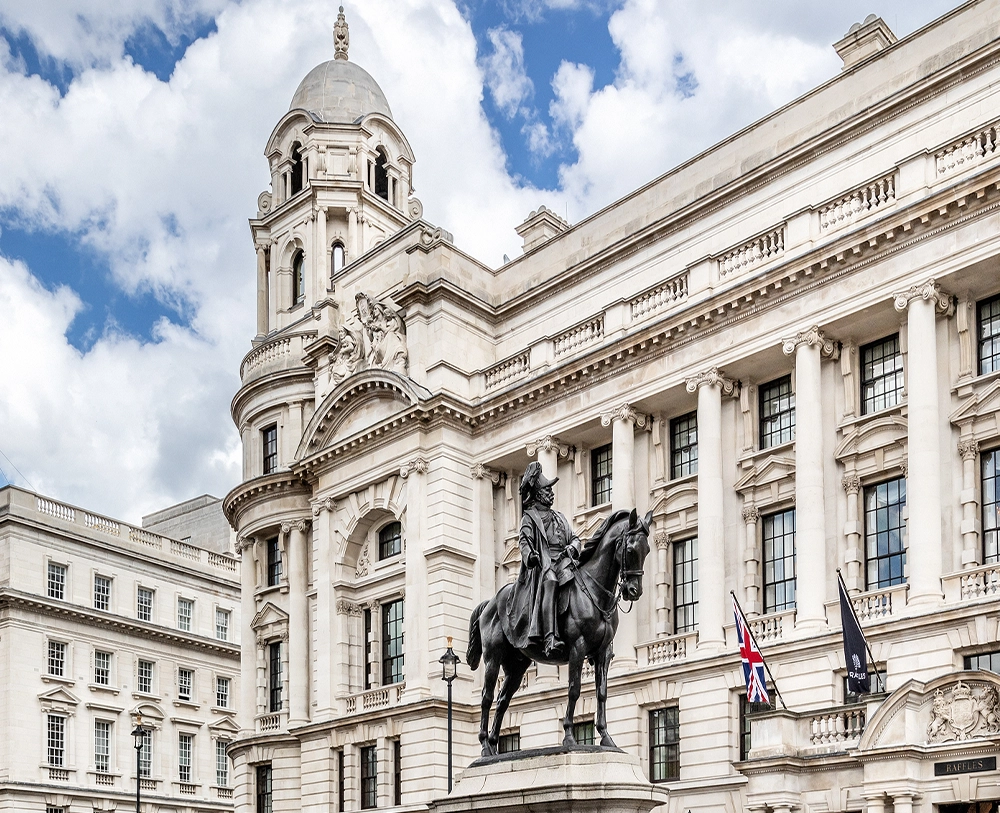
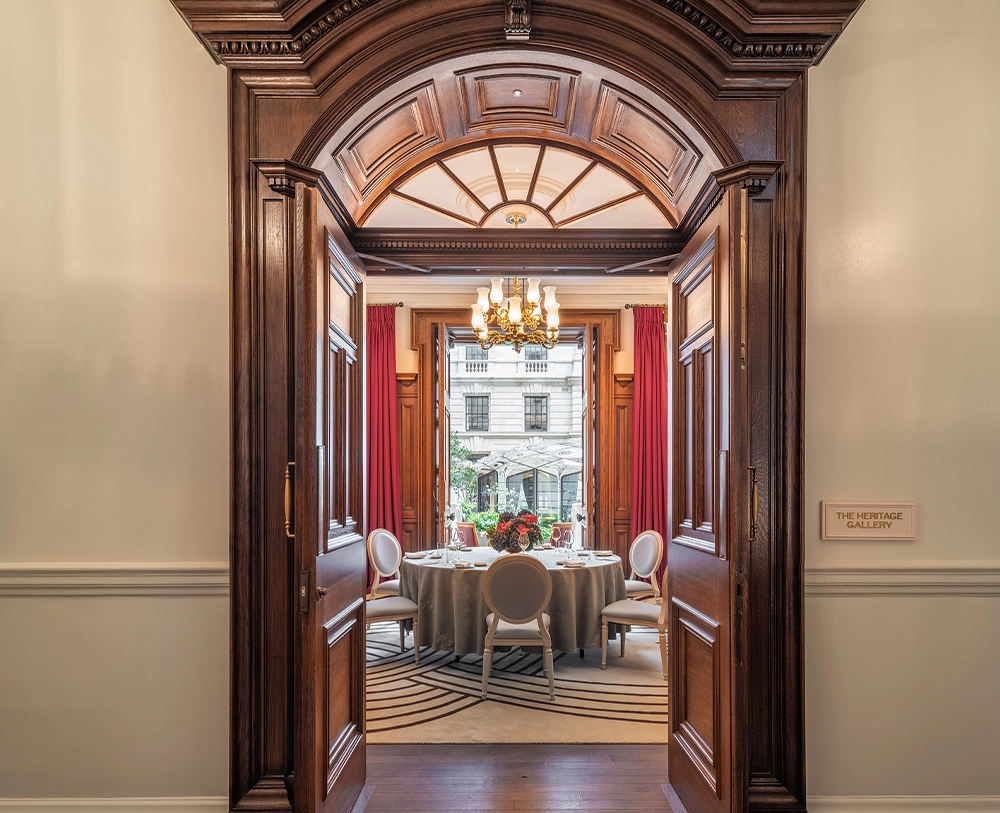
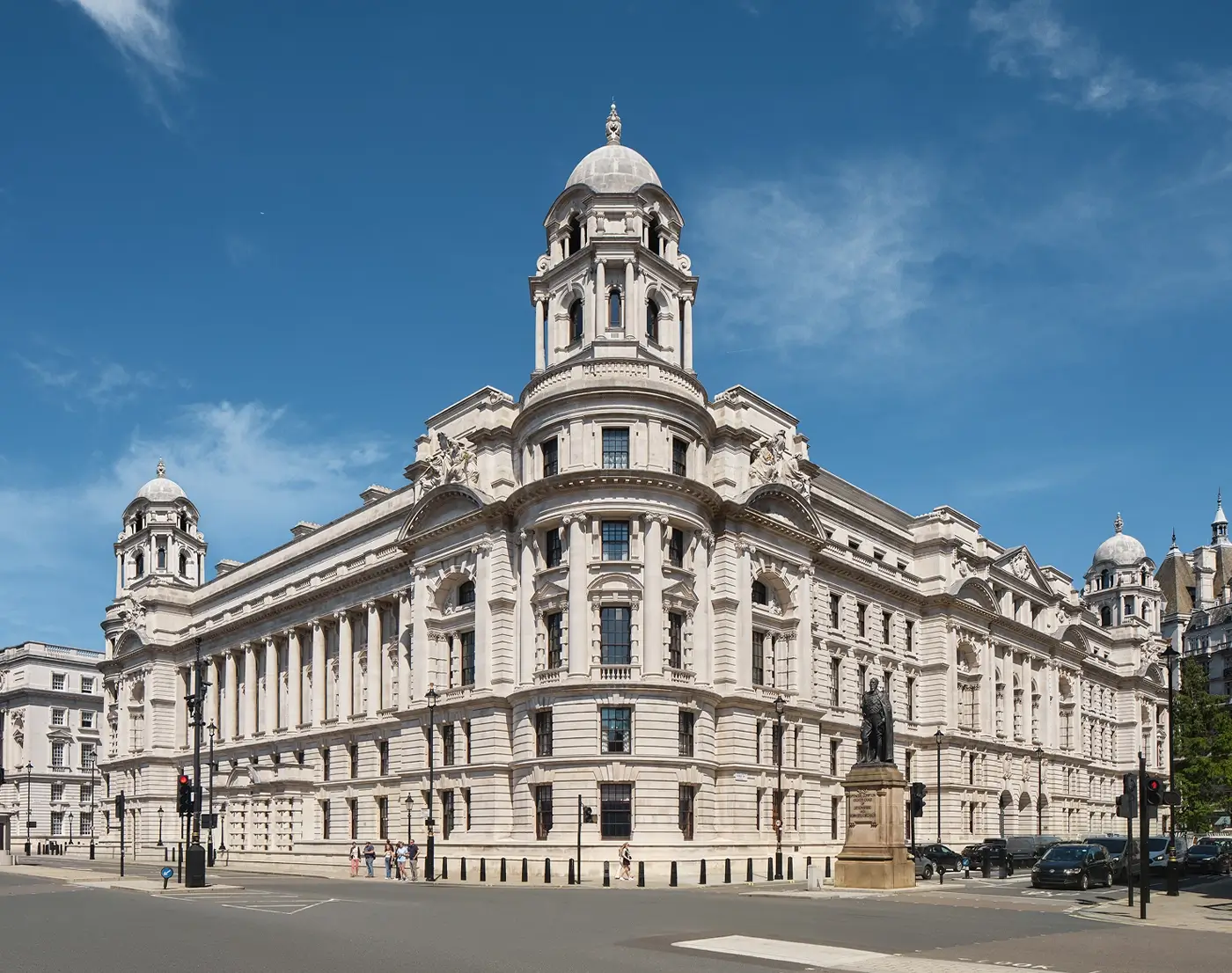
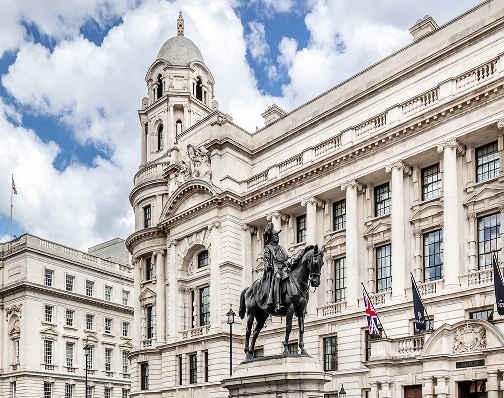
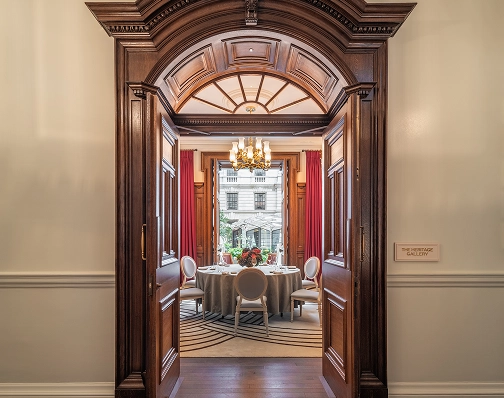
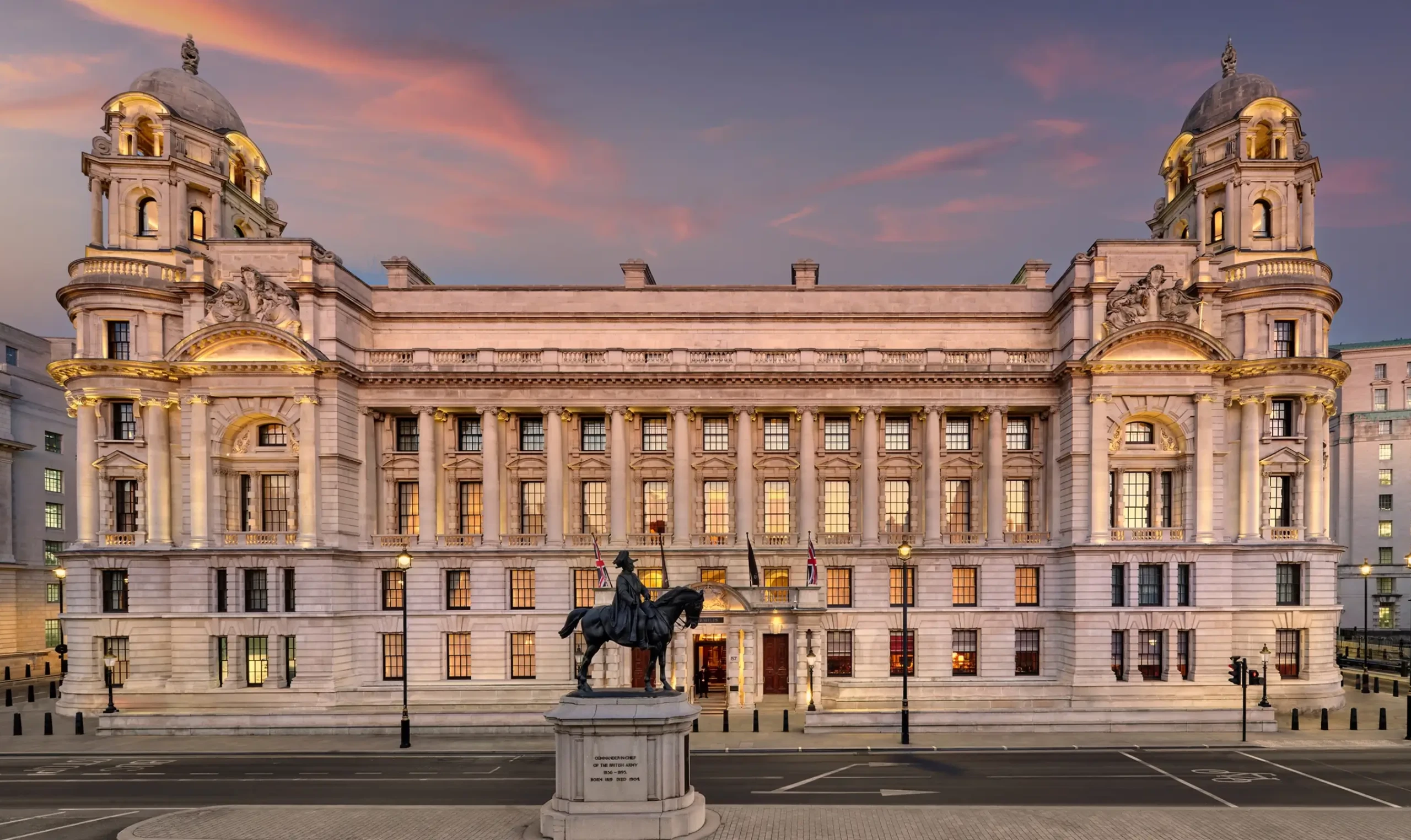
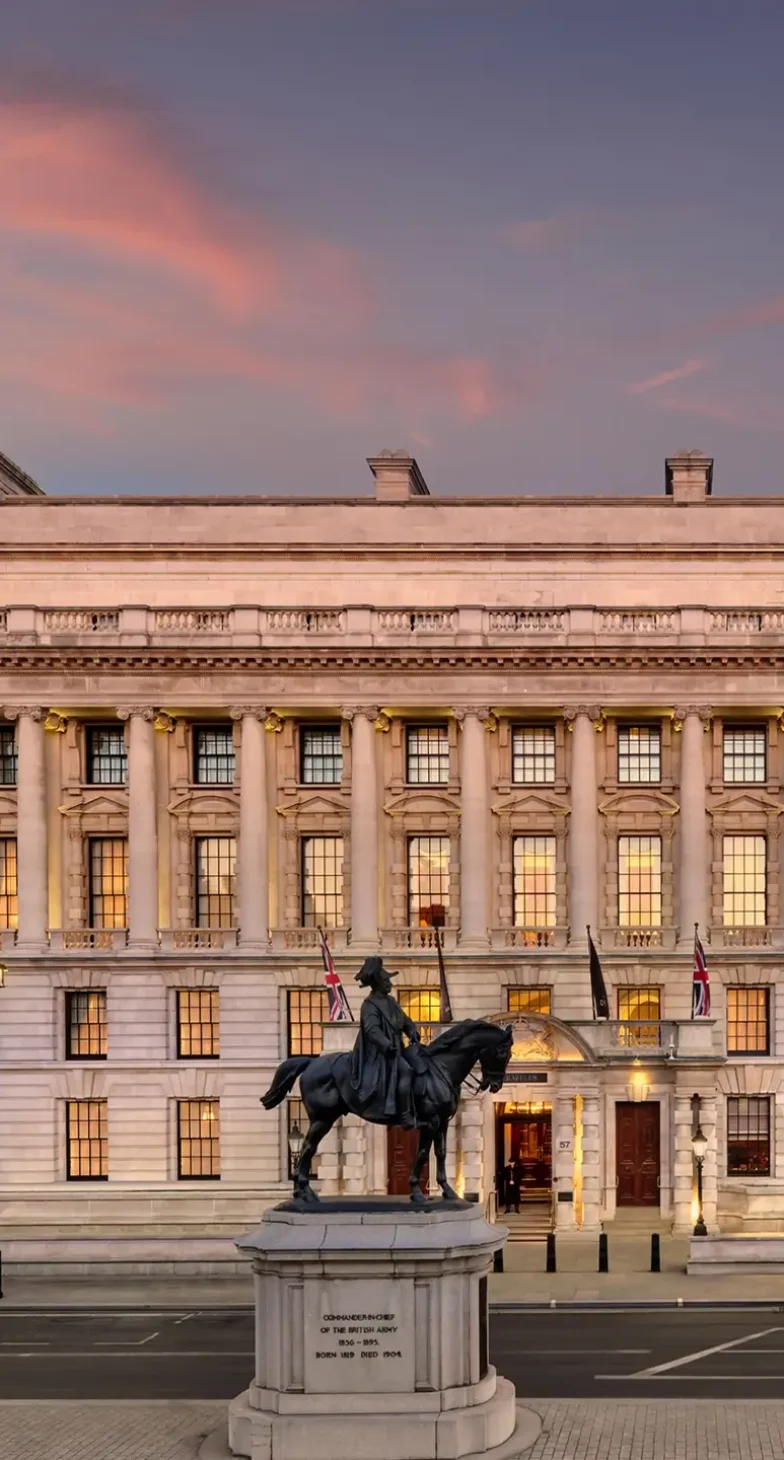
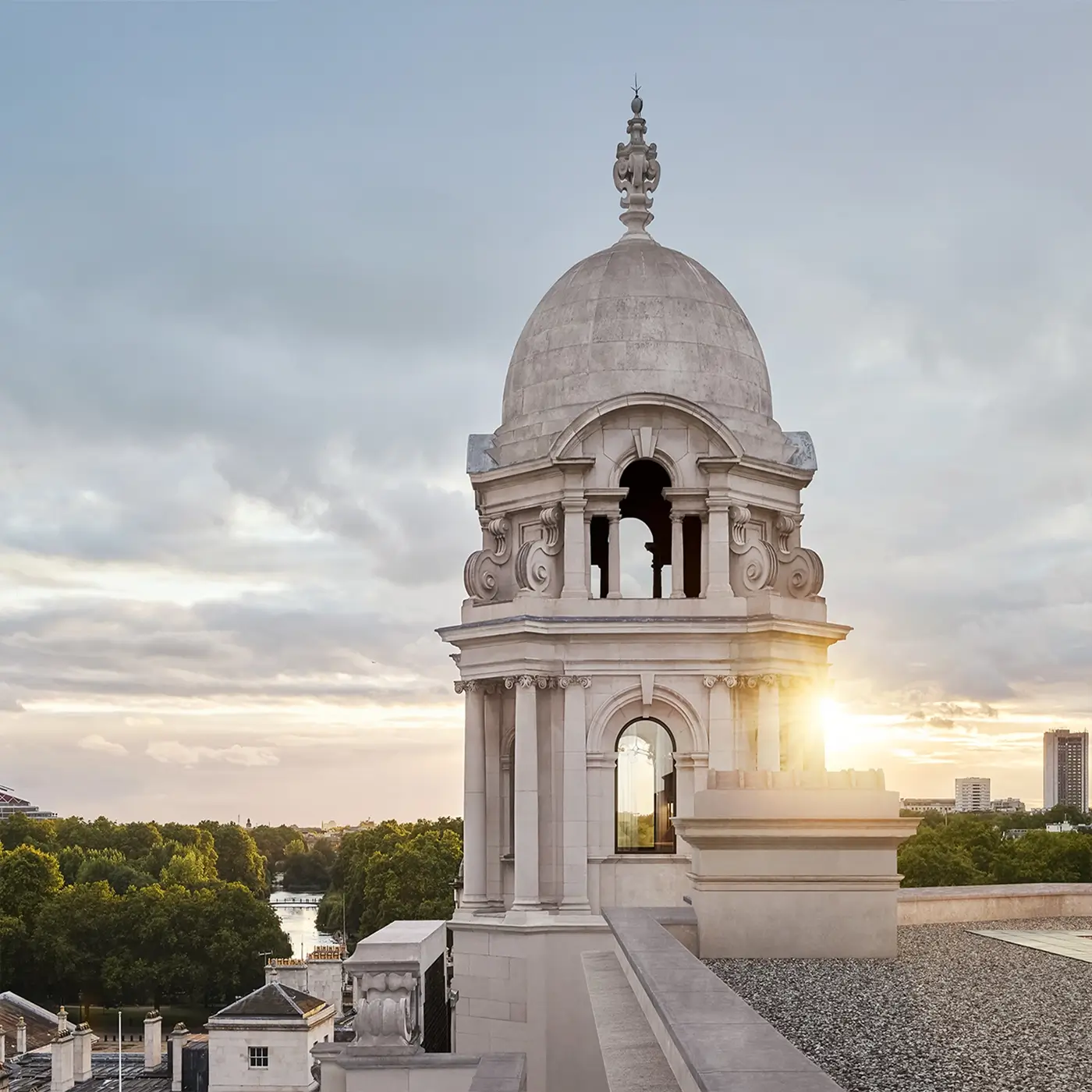
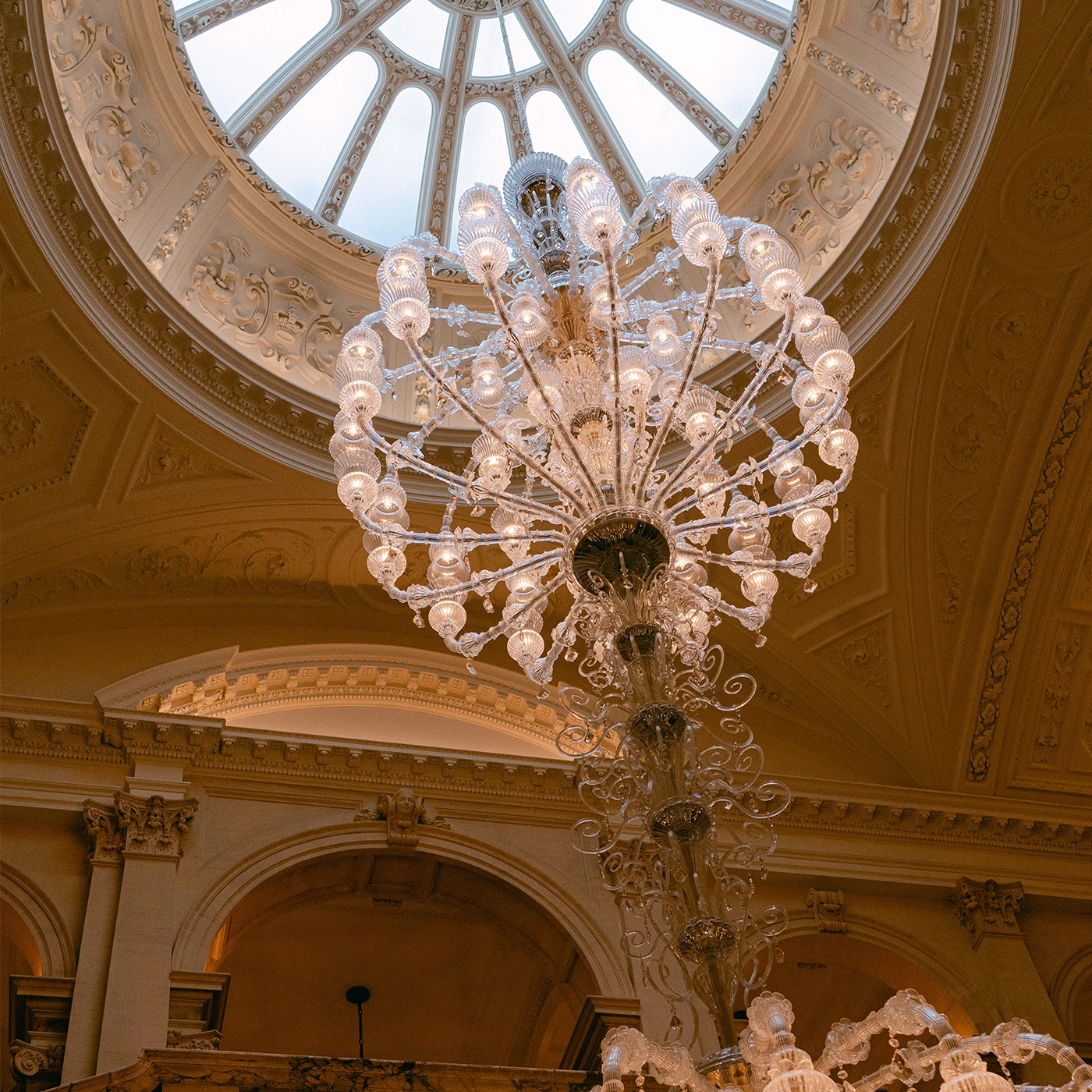
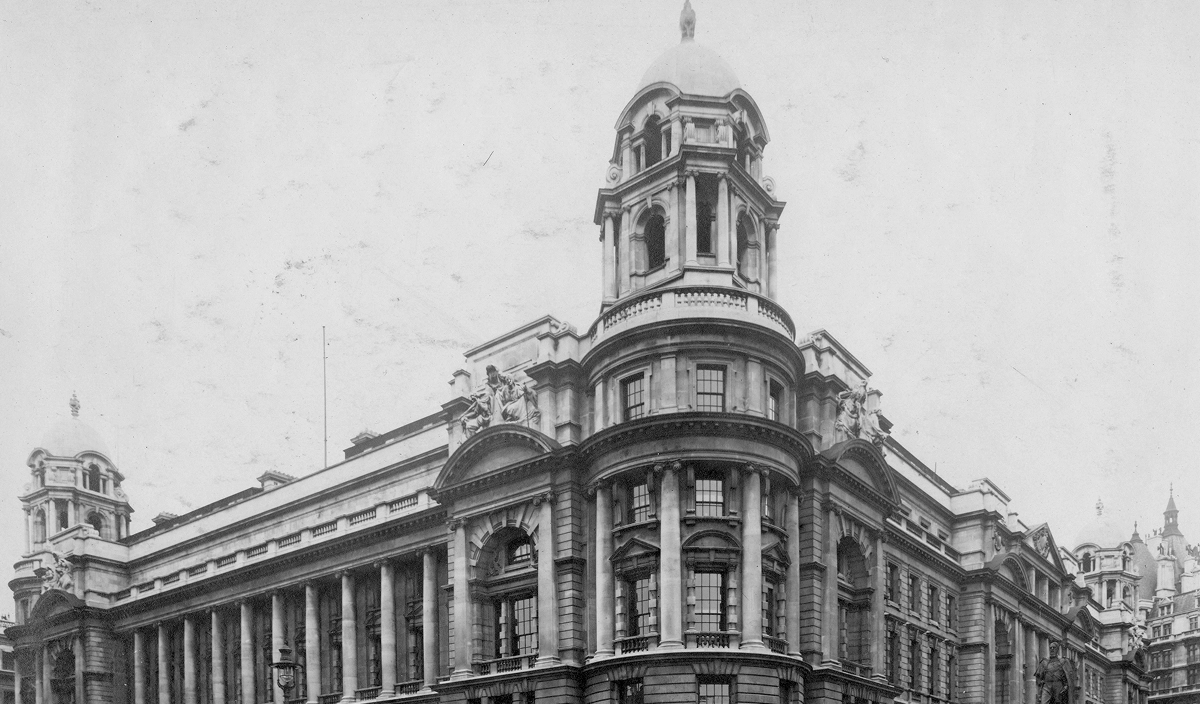
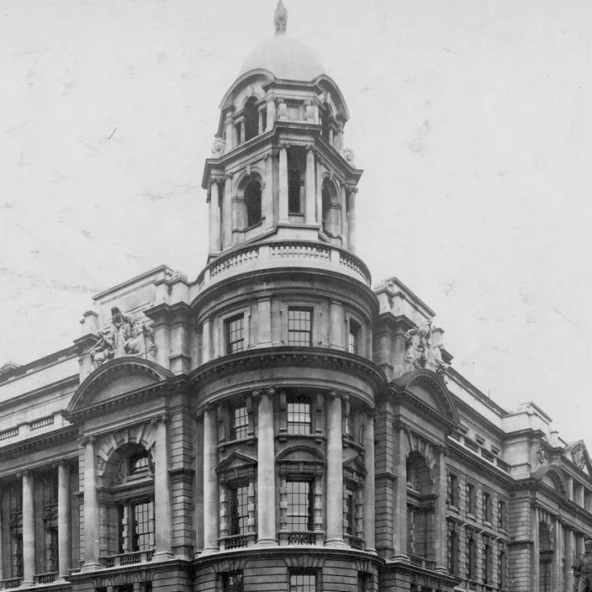
Designed by William Young, crowned by the sculptures of Alfred Drury – Grade II* listed and Edwardian Baroque at its most commanding. Portland stone lines interiors where original plaster ceilings and oak panelling have been painstakingly restored to their full grandeur. From every window, London unfolds – the rooftops of Whitehall, the Thames, a city in motion. A building that rewards attention at every turn.

1 (1) copy
previous arrow
next arrow
1 (1) copy
previous arrow
next arrow

An Arrival Without Equal

The Grand Staircase rises through The OWO – Painswick stone, alabaster balusters, marble steps of white and grey-veined Piastraccia. Light falls through windows that once illuminated wartime footsteps. A clock gifted by France after the Second World War – silent for decades – now keeps perfect time. London’s most remarkable destination: hospitality and residences brought together.

Where Secrets Became Legend

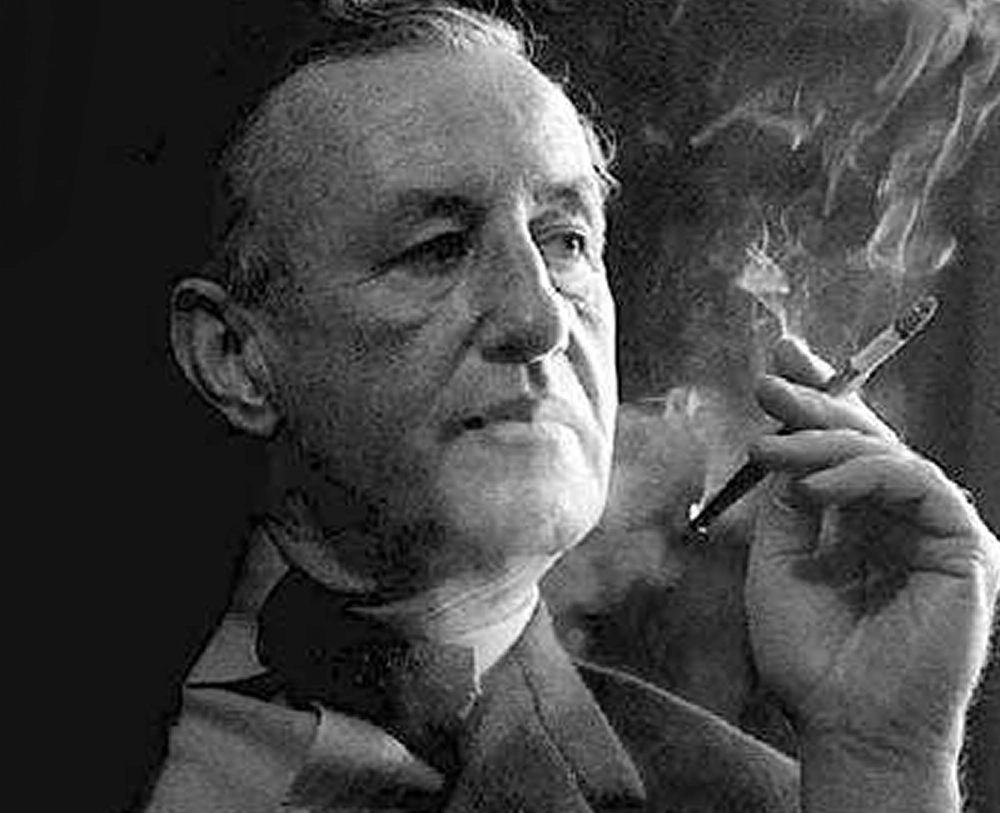
Built for the British Army in 1906, a command centre through two World Wars where Churchill directed military strategy and the Secret Service Bureau sowed the seeds of MI5 and MI6. Among the officers who walked these halls: Ian Fleming – creator of James Bond. Somewhere within the building, a room is still numbered 007. The legend endures.

The Characters Who Shaped It

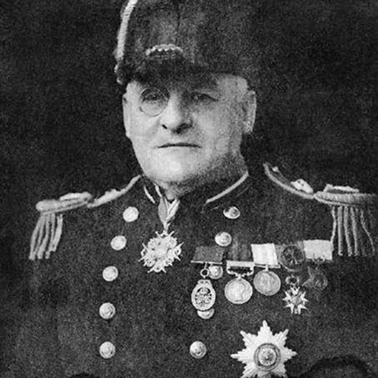
Sir Mansfield Cumming

The Secret Intelligence Service was born within these walls. Its first chief signed his orders in green ink as 'C' - a flourish every successor still observes.
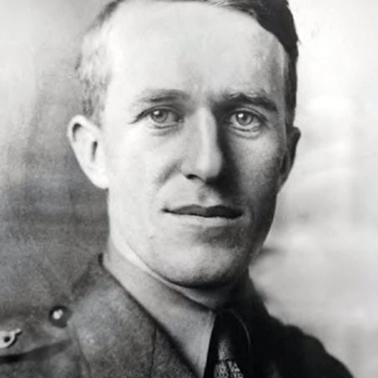
T.E. Lawrence

Long before his fame as Lawrence of Arabia, he served here as a draughtsman. The marble staircase, he quipped, was for Field Marshals and charwomen alone.
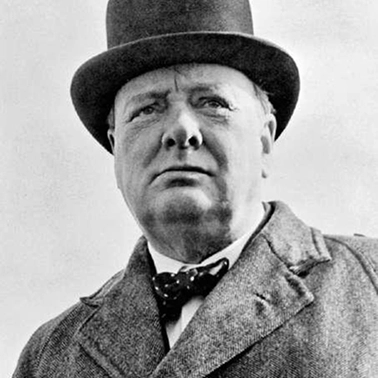
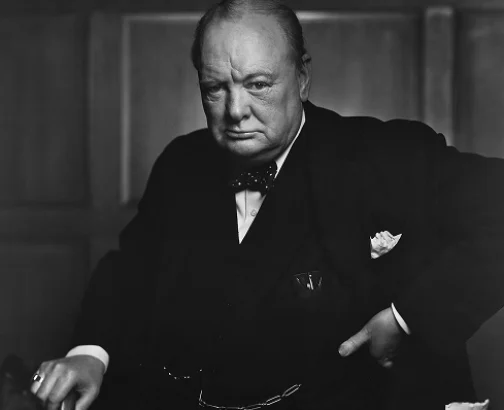
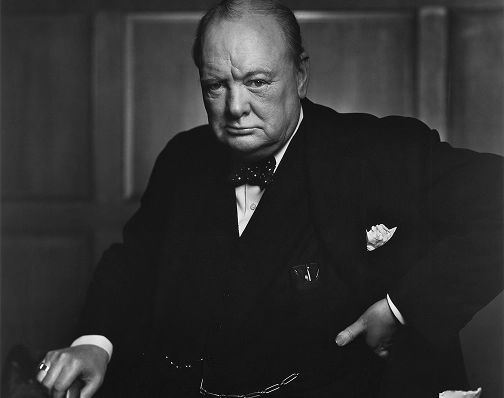
Sir Winston Churchill

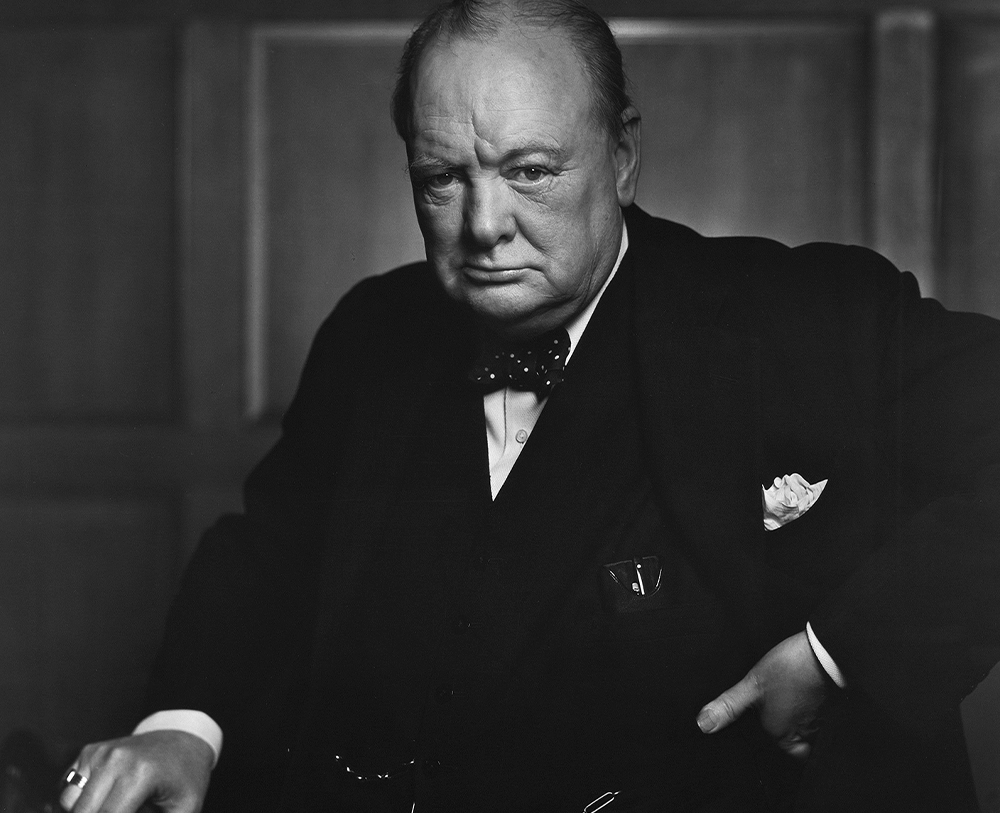
He strode these corridors as Secretary of State for War. His command post on the principal floor was the first of many chapters bound to this building.
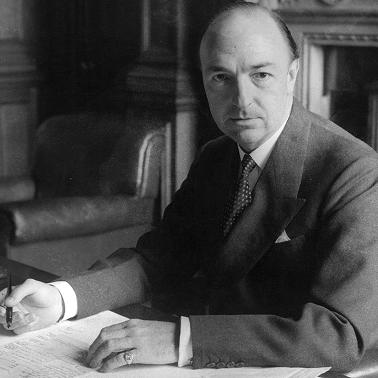
John Profumo

War Secretary in the early 1960s, his tenure ended in the defining political scandal of the century - a story whose echoes have outlived him.
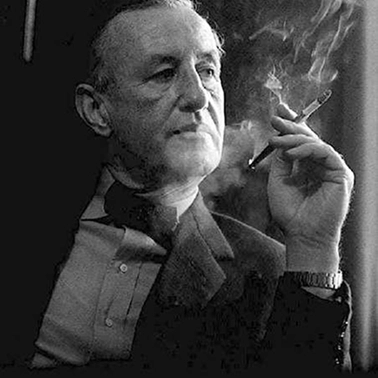
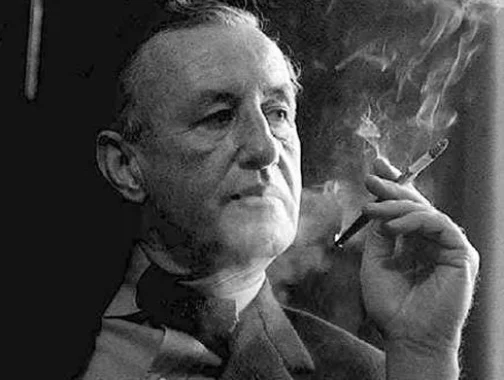
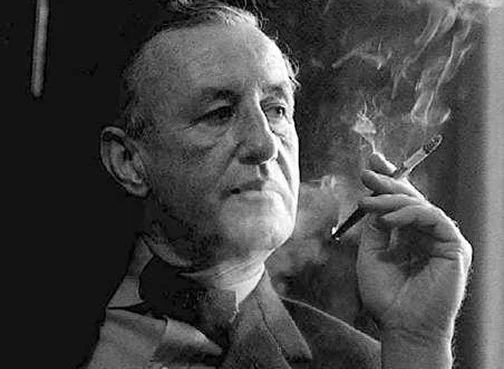
Sir Ian Fleming

Stationed here through the Second World War, he observed and imagined. The intrigue around him became the raw material for the world of James Bond.
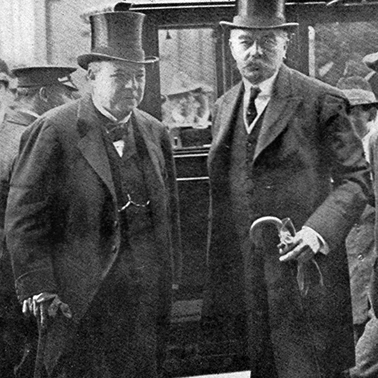
Lords Kitchener and Haldane

His finger pointed the call to arms from these walls - the most famous recruitment image ever made. Beside him, Haldane quietly reforged the army for 1914.

Slide

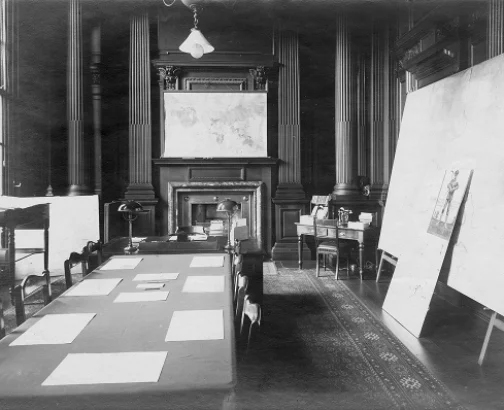
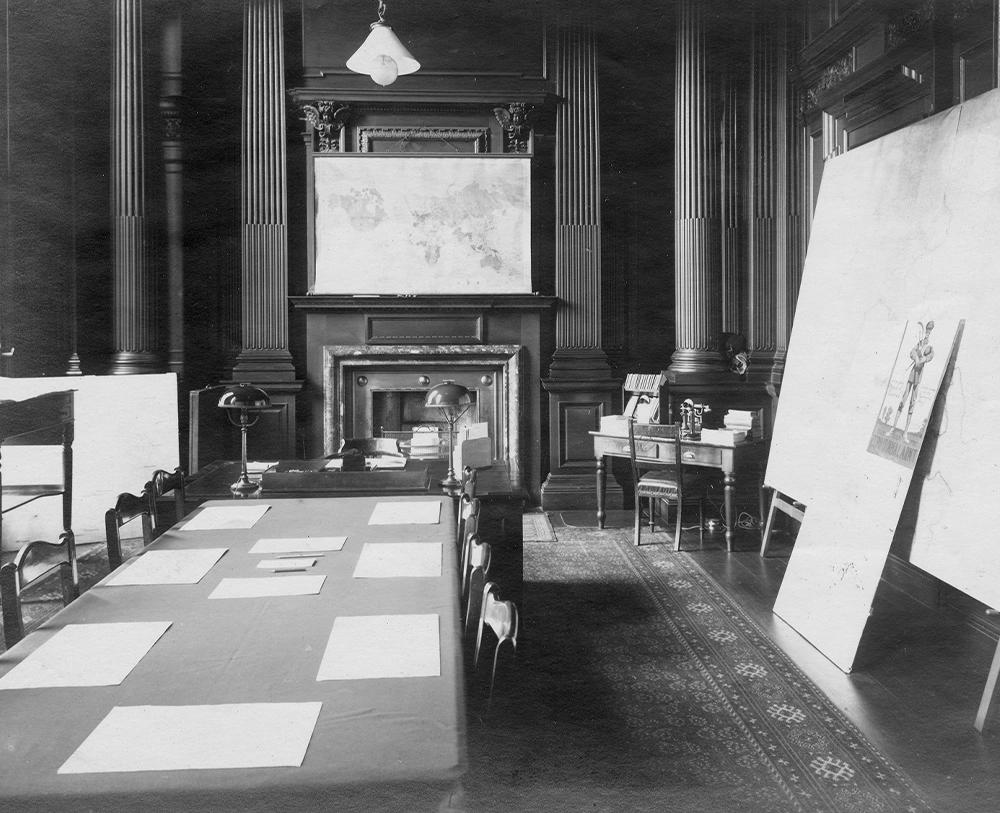
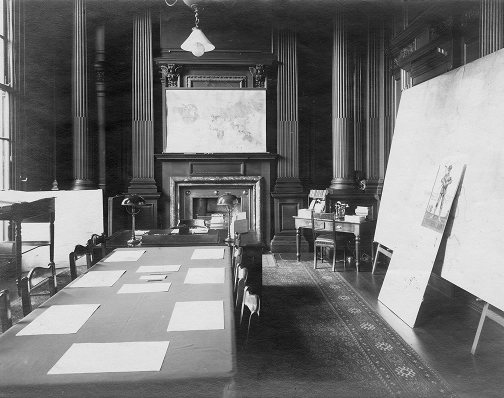
QMGF Room 517, circa 1918, part of the Quartermaster-General’s offices, which supplied an ever-increasing military force.

previous arrow
next arrow
Slide
previous arrow
next arrow

From Palace, to Power,
to the 
Most Coveted Address in London

1530–1698
history-img1
1530–1698
Palace of Whitehall
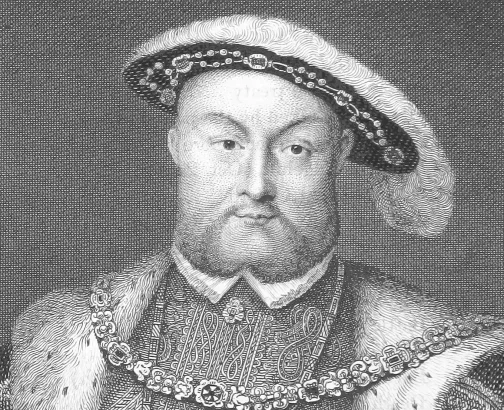
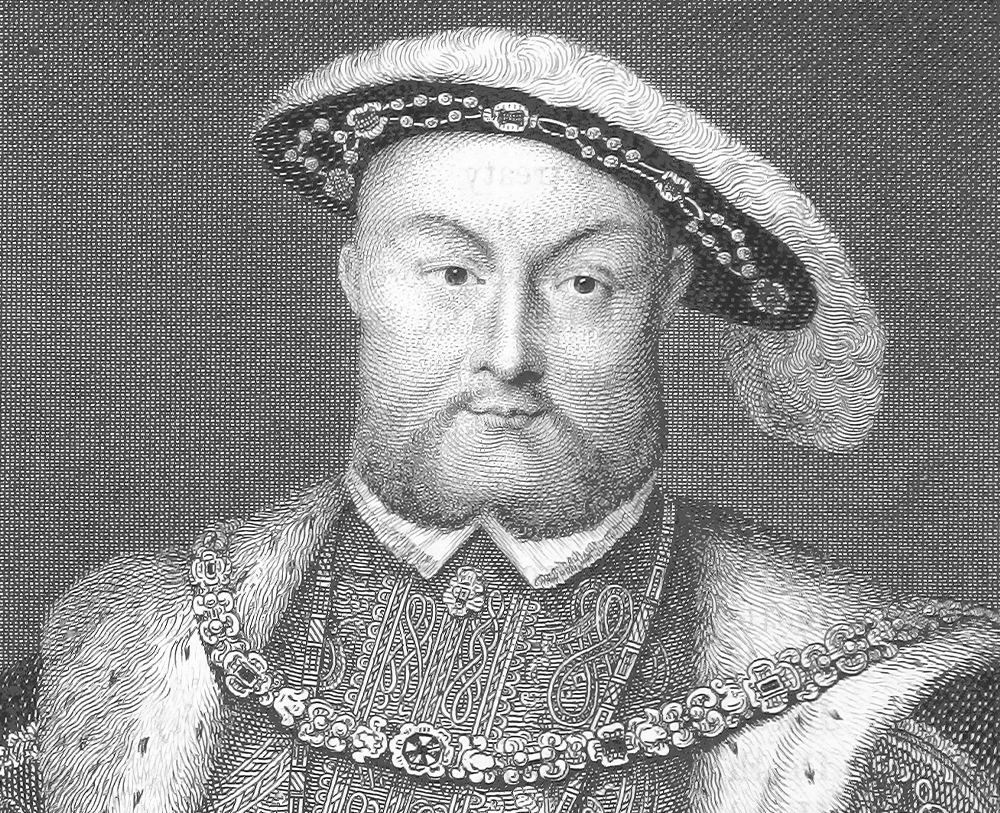
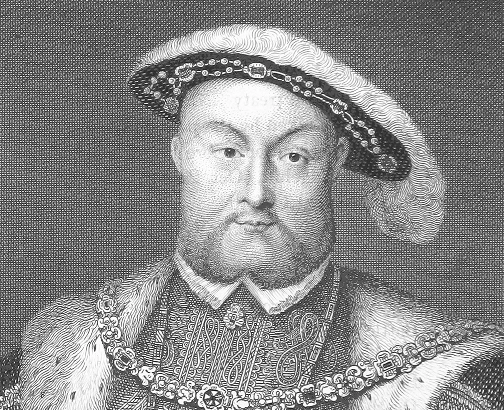
Palace of Whitehall stands on the site, home to monarchs including Henry VIII.
place-timeline2
1898
The Architect's Vision
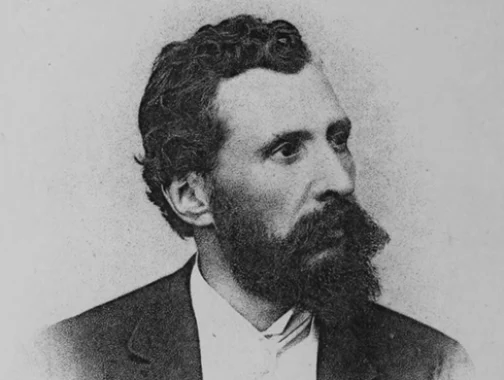
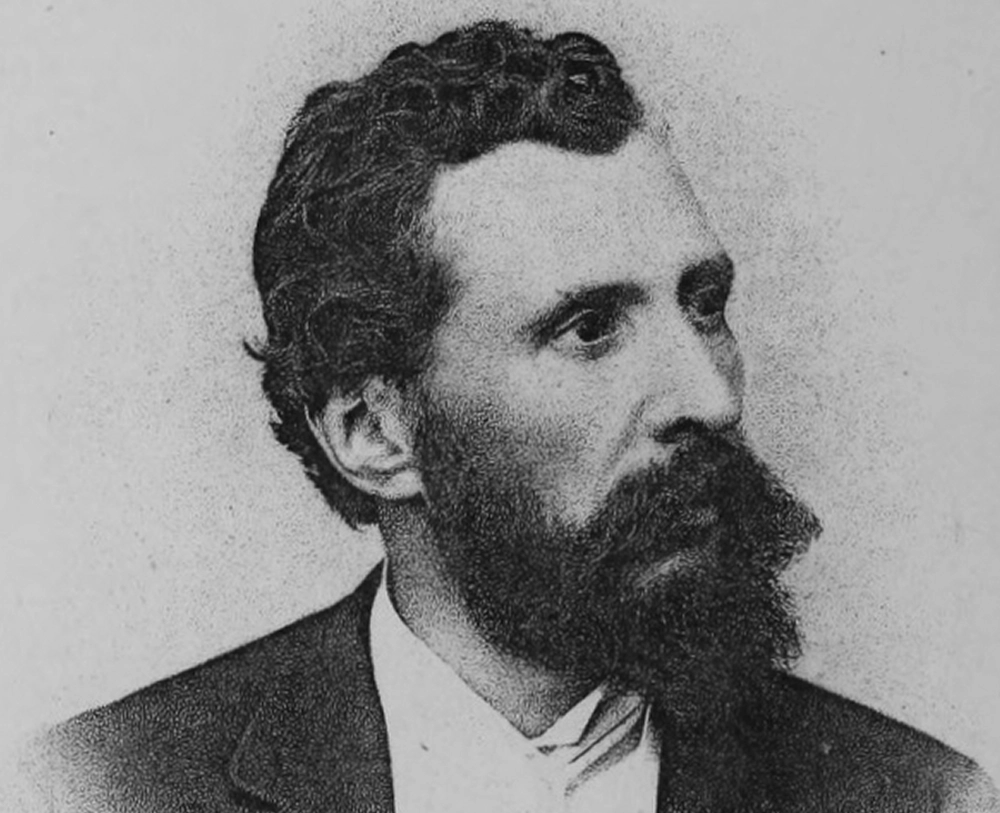
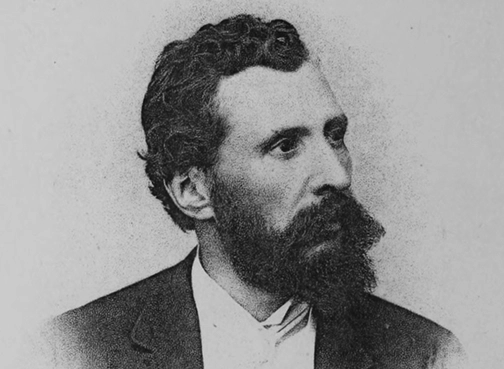
Scottish architect William Young begins designing the New War Office, a project later completed by his son Clyde following William’s death in 1900.
history-img3
1906
The New War Office
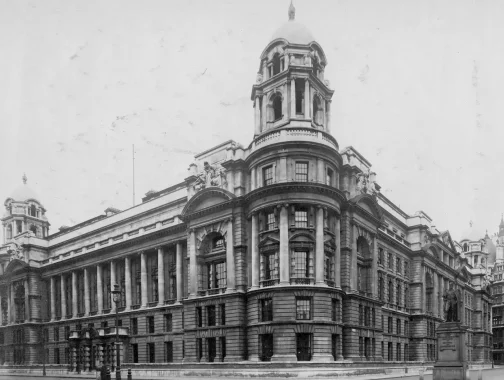
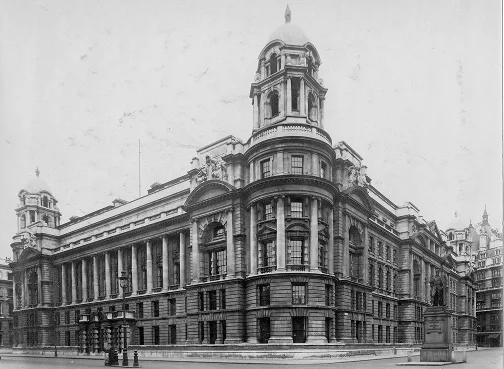
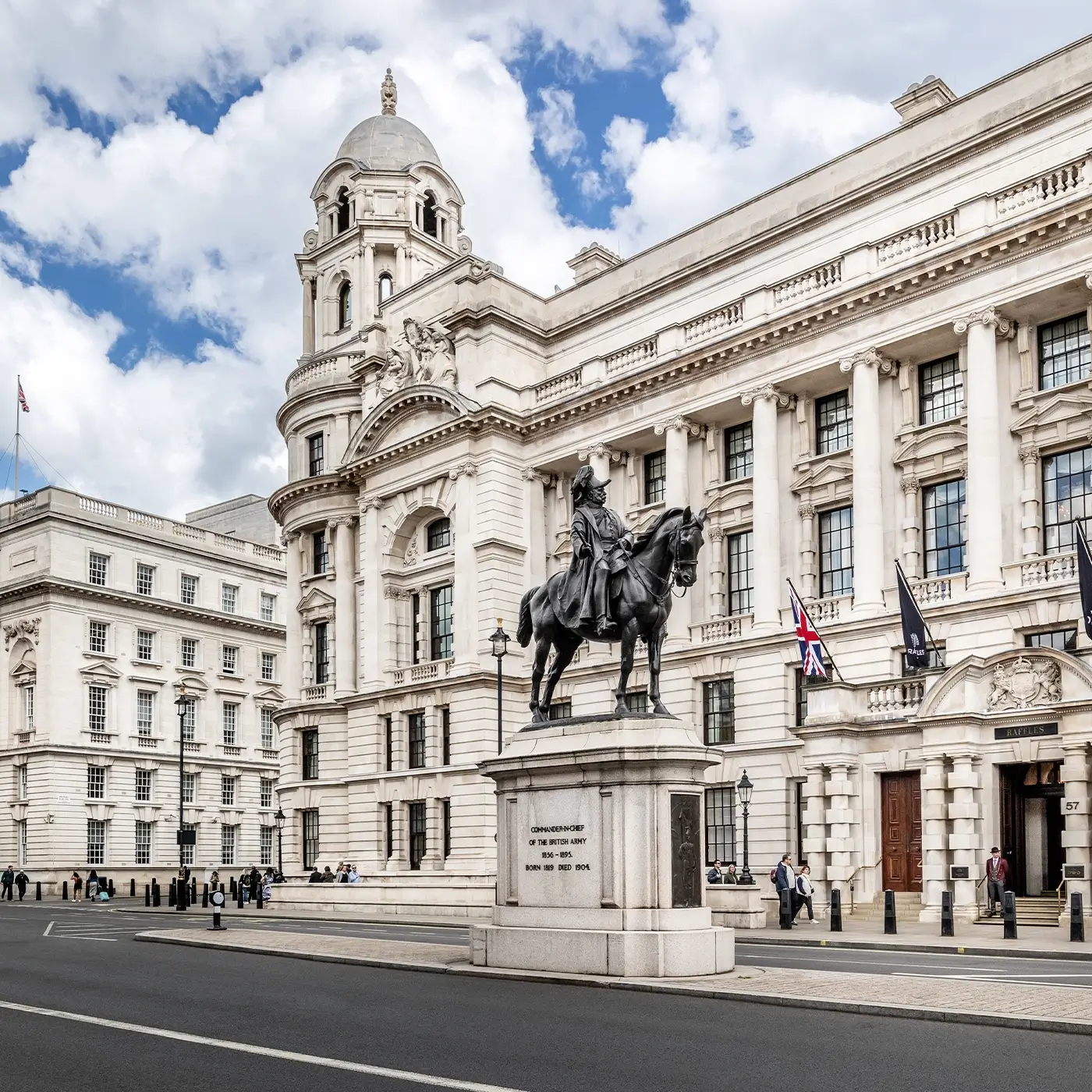
The New War Office opens on Whitehall. Built in Edwardian Baroque style — 1,100 rooms, 7 floors, 2.5 miles of corridors, costing £1.2 million.
place-timeline3
1909
The Birth of British Intelligence
The Secret Service Bureau (the origins of MI5 & MI6) is founded within the building in September.
place-timeline4
1919–1921
Churchill at the Helm

Winston Churchill serves as Secretary of State for War, operating from the building.

place-timeline5
1964
The Old War Office

The unified Ministry of Defence is formed. The building becomes known as the Old War Office.

1983-2015
1983–2015
A Bond Legacy

The building serves as a film location across five James Bond films, from Octopussy to Spectre, a legacy rooted in Fleming’s own wartime years here.

place-timeline6
2014
A New Chapter Begins
The Old War Office is sold as part of the disposal of British Government assets.
place-timeline7
2016
The Birth of The OWO
The Hinduja Group receives the keys and begins a meticulous restoration. With its partner ONEX, the building is reborn as The OWO.
place-timeline8
2023
Raffles Comes to London
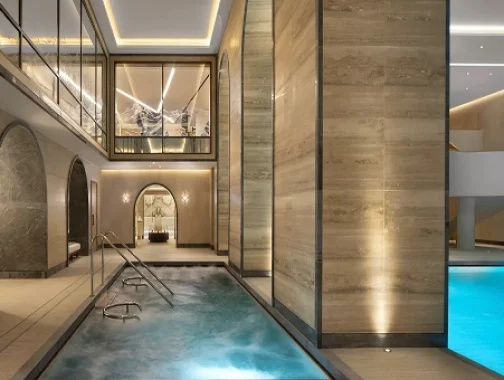
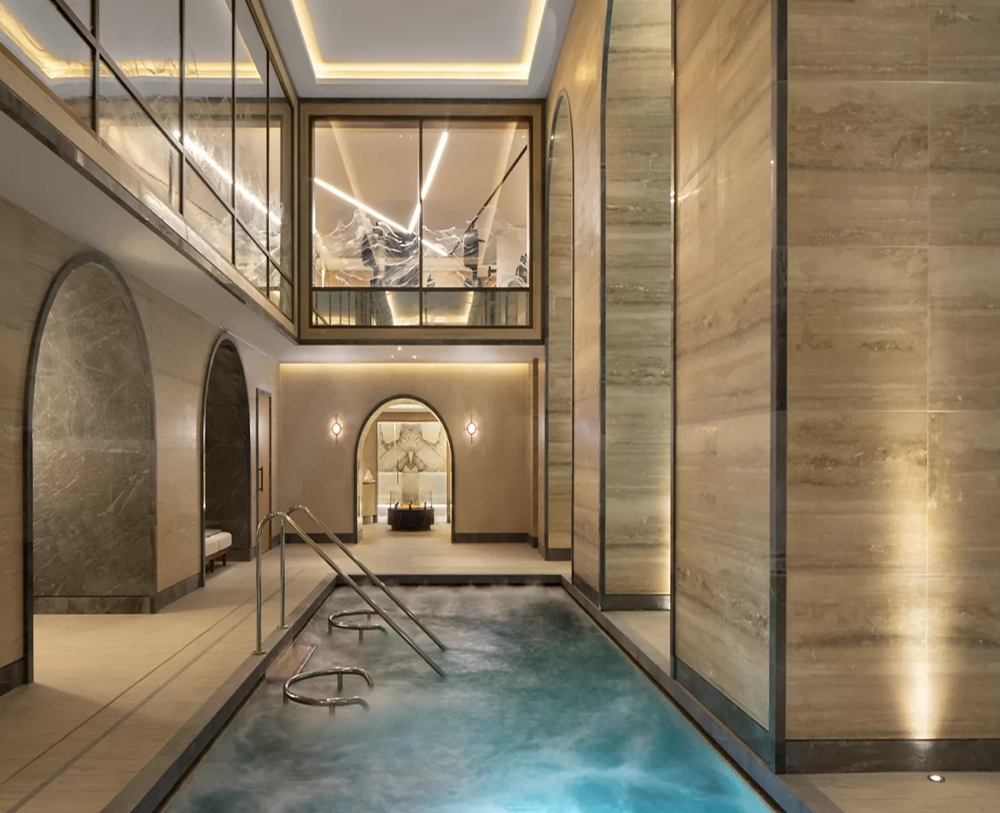
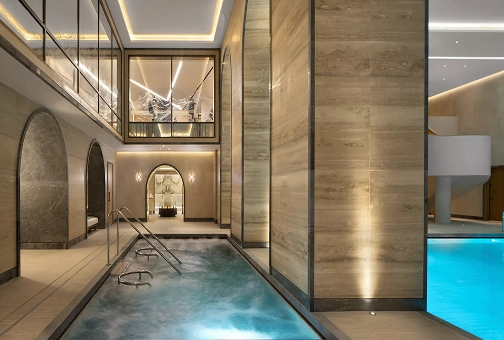
The OWO opens with London’s first Raffles hotel, The OWO Residences by Raffles, a collection of restaurants and bars, a Guerlain Spa and the Whitehall Ballroom.
1530–1698
1530–1698
Palace of Whitehall
Palace of Whitehall stands on the site, home to monarchs including Henry VIII.
1898
The Architect's Vision
Scottish architect William Young begins designing the New War Office, a project later completed by his son Clyde following William’s death in 1900.
1906
The New War Office
The New War Office opens on Whitehall. Built in Edwardian Baroque style — 1,100 rooms, 7 floors, 2.5 miles of corridors, costing £1.2 million.
1909
The Birth of British Intelligence
The Secret Service Bureau (the origins of MI5 & MI6) is founded within the building in September.
1919–1921
Churchill at the Helm

Winston Churchill serves as Secretary of State for War, operating from the building.

1964
The Old War Office

The unified Ministry of Defence is formed. The building becomes known as the Old War Office.

1983–2015
A Bond Legacy

The building serves as a film location across five James Bond films, from Octopussy to Spectre, a legacy rooted in Fleming’s own wartime years here.

2014
A New Chapter Begins
The Old War Office is sold as part of the disposal of British Government assets.
2016
The Birth of The OWO
The Hinduja Group receives the keys and begins a meticulous restoration. With its partner ONEX, the building is reborn as The OWO.
2023
Raffles Comes to London
The OWO opens with London’s first Raffles hotel, The OWO Residences by Raffles, a collection of restaurants and bars, a Guerlain Spa and the Whitehall Ballroom.
1530–1698
Palace of Whitehall
Palace of Whitehall stands on the site, home to monarchs including Henry VIII.
The Architect's Vision
Scottish architect William Young begins designing the New War Office, a project later completed by his son Clyde following William’s death in 1900.
The New War Office
The New War Office opens on Whitehall. Built in Edwardian Baroque style — 1,100 rooms, 7 floors, 2.5 miles of corridors, costing £1.2 million.
The Birth of British Intelligence
The Secret Service Bureau (the origins of MI5 & MI6) is founded within the building in September.
Churchill at the Helm
Winston Churchill serves as Secretary of State for War, operating from the building.
The Old War Office
The unified Ministry of Defence is formed. The building becomes known as the Old War Office.
A Bond Legacy

The building serves as a film location across five James Bond films, from Octopussy to Spectre, a legacy rooted in Fleming’s own wartime years here.

A New Chapter Begins
The Old War Office is sold as part of the disposal of British Government assets.
The Birth of The OWO
The Hinduja Group receives the keys and begins a meticulous restoration. With its partner ONEX, the building is reborn as The OWO.
Raffles Comes to London
The OWO opens with London’s first Raffles hotel, The OWO Residences by Raffles, a collection of restaurants and bars, a Guerlain Spa and the Whitehall Ballroom.

A Vision Eight Years in the Making

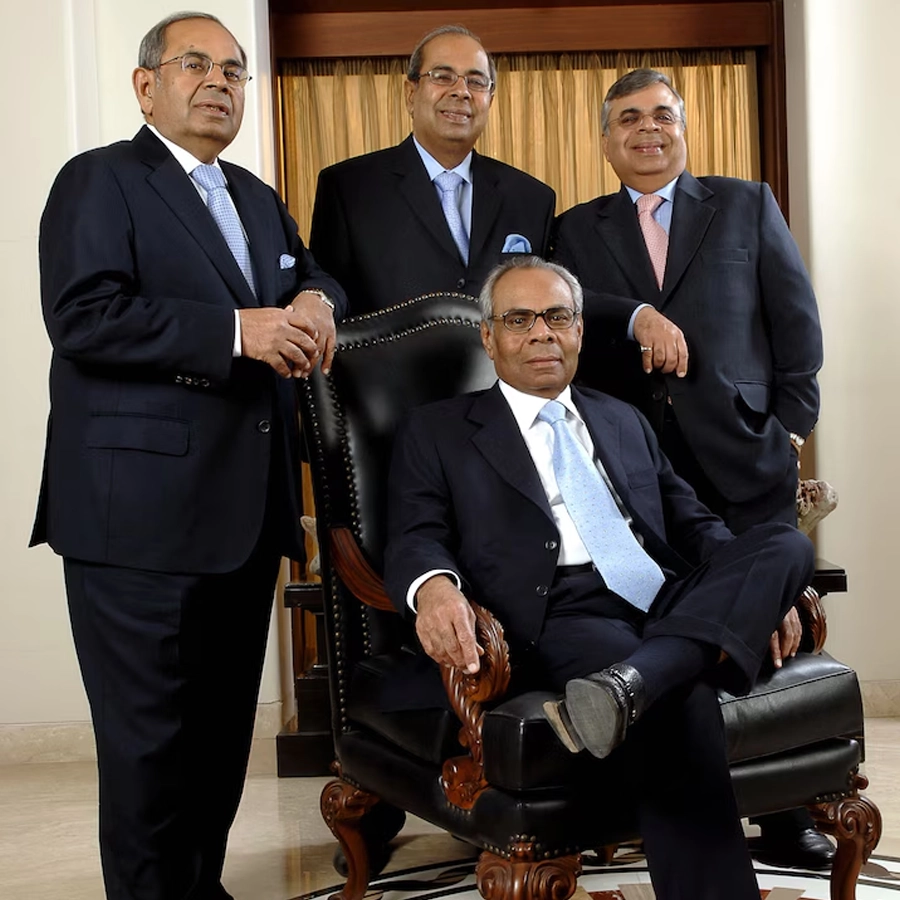
Owners since 2016, the Hinduja family approached the restoration as a matter of legacy. The late Gopichand Hinduja remained personally invested in the project to the last, seeing it through to completion in 2023 – his gift, in his own words, to London.
Partnering with the Hinduja Group, ONEX Holding – a private investment group with a portfolio of consequential assets – brought to the eight-year transformation the discipline and patience of a long-term steward.